
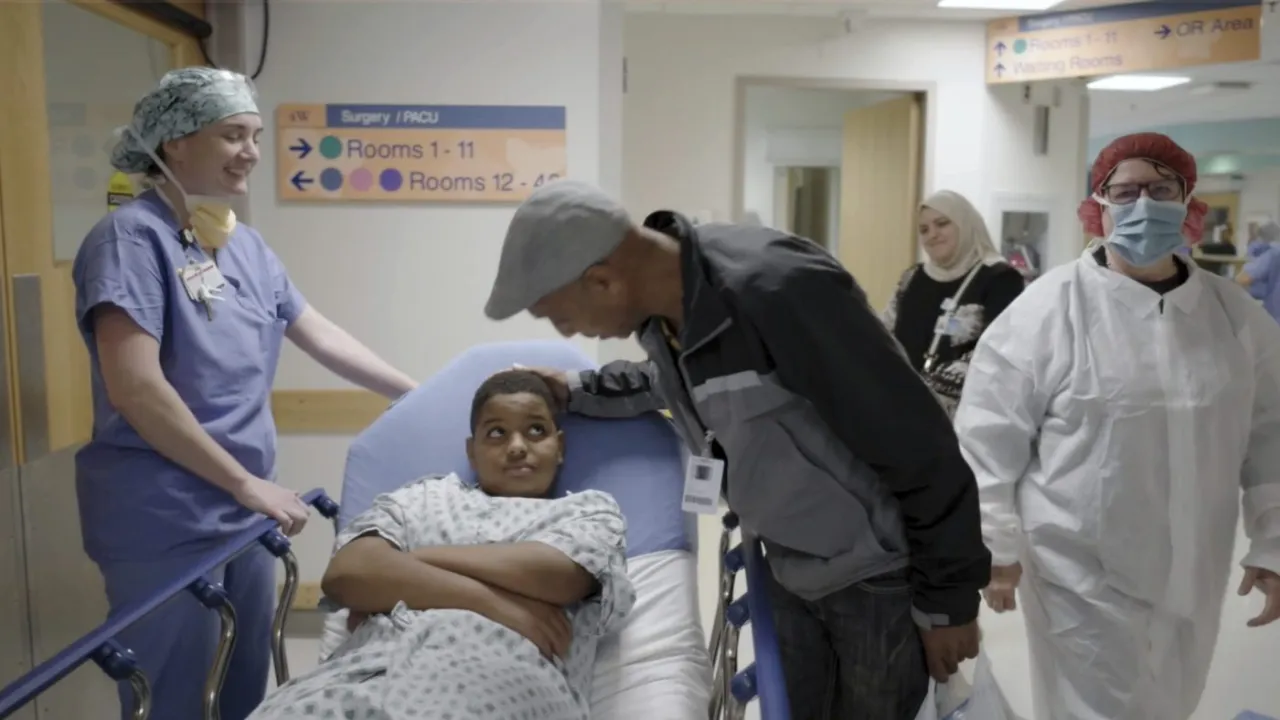
A multinational clinical trial has confirmed that a single-dose gene therapy intervention can restore functional hearing in children born profoundly deaf due to mutations in the OTOF gene, which encodes the protein otoferlin essential for the transmission of sound signals from the inner ear’s hair cells to the auditory nerve. Results published simultaneously in the New England Journal of Medicine and presented at the Association for Research in Otolaryngology annual meeting showed that twenty-two of twenty-six treated children achieved hearing thresholds in the range associated with understanding conversational speech within six months of a single cochlear injection of the therapeutic vector.
OTOF-related deafness accounts for approximately two to eight percent of all cases of congenital profound deafness globally and is caused by a recessive genetic variant that prevents hair cells in the cochlea from releasing the neurotransmitter signals needed for auditory nerve activation. Because the cochlear structure and auditory nerve are typically intact in affected individuals — only the signaling protein is absent — the condition is well suited to gene replacement therapy, where a functional copy of the OTOF gene is delivered directly into inner ear cells using an adeno-associated viral vector.
The most striking outcome in the trial data was the speed of response in the youngest participants. Children treated before the age of eighteen months showed the fastest and most complete hearing recovery, consistent with the brain’s early developmental plasticity allowing auditory neural pathways to establish themselves robustly once sound input becomes available. Several children who were treated between ages six and twelve months have already begun acquiring spoken language at rates comparable to age-matched hearing peers, a development that audiologists described as extraordinary given the absence of any prior auditory experience.
The therapy is being developed commercially by a consortium including Regeneron and a French biotechnology company. Regulatory submissions are being prepared for both the FDA and the European Medicines Agency, with approval potentially as early as late 2027 if no safety signals emerge during the extended follow-up period currently underway.
Ethicists and members of the Deaf community have raised important questions about the cultural implications of pursuing genetic cures for deafness, emphasizing that decisions should be made by families with full access to perspectives from both medical professionals and the Deaf community.

Leave a Reply